Twenty years of World of Warcraft: every expansion in one page
From the Dark Portal to the Worldsoul Saga. A quick tour of the expansions that shaped Azeroth, and what each one left behind.
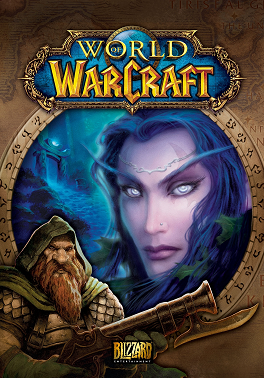
World of Warcraft launched in November 2004. Since then it has received an expansion roughly every two years, each adding new continents, races, classes and systems, and each leaving a mark on the game that remains today. For returning players and newcomers alike, the sheer amount of history can be intimidating.
This is the map. For each expansion, we cover the setting, what it added and what it left behind. Use it as a refresher, as a guide to choose which stories to experience through Chromie Time, or simply as a trip down memory lane.
The classic era
World of Warcraft (2004)
The original. Set a few years after Warcraft III, it brought the Alliance and the Horde to the continents of Kalimdor and the Eastern Kingdoms.
- Level cap: 60.
- Races: humans, dwarves, night elves and gnomes for the Alliance; orcs, trolls, tauren and the Forsaken for the Horde.
- Raids: 40-player raids like Molten Core and later Blackwing Lair, Ahn’Qiraj and Naxxramas.
- Legacy: a world many still consider the best ever built, with a sense of scale and danger that later versions softened. Its popularity is the reason Classic versions exist today.
The Burning Crusade (2007)
Through the Dark Portal to Outland, the shattered remains of the orc homeworld.
- Level cap: 70.
- Races: blood elves for the Horde and draenei for the Alliance.
- New features: flying mounts, arenas, heroic dungeons and jewelcrafting.
- Story: Illidan, last seen in The Frozen Throne, becomes a raid boss in the Black Temple.
- Legacy: smaller raid sizes, flying and a stronger focus on endgame content.
Wrath of the Lich King (2008)
To Northrend and the end of the story that began in Warcraft III.
- Level cap: 80.
- New class: the Death Knight, the first hero class, starting at a higher level.
- New features: achievements, vehicle combat, a dungeon finder (added during the expansion) and the first major world PvP zone, Wintergrasp.
- Story: Arthas, now the Lich King, is the main villain, appearing throughout the levelling experience before the final confrontation at Icecrown Citadel.
- Legacy: for many, the series’ peak. Its storytelling, raids and atmosphere are still the benchmark fans measure others against.
The world changes
Cataclysm (2010)
The black dragon Deathwing bursts from the earth and reshapes Azeroth.
- Level cap: 85.
- Races: goblins for the Horde and worgen for the Alliance.
- New features: the original continents were rebuilt, with redesigned zones and quests; flying in the old world; archaeology; guild levels.
- Legacy: the revamped levelling experience, which is still largely the one new players see in the old continents today. It also marked the end of the original world, which is part of why Classic versions became so desired.
Mists of Pandaria (2012)
A hidden continent and a change of tone.
- Level cap: 90.
- Race: the pandaren, the first race available to both factions.
- New class: the Monk.
- New features: pet battles, challenge modes (the ancestor of Mythic+), scenarios and a farm.
- Story: the Horde–Alliance conflict escalates, culminating in a siege of the Horde’s capital.
- Legacy: underrated at launch, warmly remembered today for its beautiful zones, strong writing and memorable raids.
Warlords of Draenor (2014)
Time travel to the orcs’ homeworld, before it shattered.
- Level cap: 100.
- New features: garrisons, personal bases with followers and missions; updated character models.
- Story: an alternate-timeline Iron Horde threatens Azeroth.
- Legacy: excellent raids and levelling zones, but criticised for a lack of content at max level and for garrisons isolating players.
The Legion and after
Legion (2016)
The Burning Legion invades in force.
- Level cap: 110.
- New class: the Demon Hunter, a hero class inspired by Illidan.
- New features: artifact weapons, class halls, world quests and Mythic+ dungeons.
- Story: the long war against the Legion reaches its climax.
- Legacy: a creative high point, with some of the best class fantasy and content in the game’s history. Mythic+ and world quests remain core features today.
Battle for Azeroth (2018)
The Horde and Alliance at war again.
- Level cap: 120.
- New features: allied races (variants of existing races with their own looks), war fronts, island expeditions and the Heart of Azeroth system.
- Story: a faction war that escalates into a conflict with an ancient evil from the depths.
- Legacy: allied races were popular, but many systems were criticised as grindy.
Shadowlands (2020)
Into the afterlife.
- Level squish: maximum level was reduced, with the cap set at 60.
- New features: Chromie Time, letting players level through any expansion; covenants; Torghast, a roguelike dungeon.
- Story: the realm of the dead and the forces that govern it.
- Legacy: Chromie Time and the level squish fundamentally changed levelling. The expansion itself received mixed reactions.
Dragonflight (2022)
The Dragon Isles and a return to classic fantasy.
- Level cap: 70.
- New race and class: the Dracthyr, playable dragons, with the Evoker class.
- New features: dragonriding, a revamped talent system, an editable interface and a rework of professions.
- Legacy: dragonriding later evolved into Skyriding, available for most flying mounts. The interface editor and talent changes are now part of the game’s foundation.
The Worldsoul Saga
The War Within (2024)
The start of a new trilogy, set beneath the surface of Azeroth.
- New features: Warbands, sharing progress, reputations and a bank across your characters; Delves, short instances for solo and small-group play; Skyriding for most mounts.
- Legacy: Warbands and Delves have made playing alts and playing solo much more rewarding.
Midnight and beyond
Midnight continues the saga, and a third chapter, The Last Titan, is planned to close it. Together they aim to bring one of the longest storylines in Warcraft to its conclusion.
Patterns across twenty years
Looking at the full list, a few patterns stand out:
- Accessibility increases: dungeon finders, group finders, scaling zones and Chromie Time have made the game easier to play.
- Systems come and go: many expansions introduce a “borrowed power” system (artifacts, covenants, the Heart of Azeroth) that disappears in the next.
- The best ideas stay: Mythic+, world quests, achievements, transmog and Skyriding have all become permanent.
- The story keeps returning to Warcraft III: Arthas, Illidan, Sylvanas and others continue to shape events.
Where to start?
With Chromie Time, you can level through the expansion whose story interests you most. Our recommendations:
- Wrath of the Lich King if you know Warcraft III and want to see Arthas’s story close.
- Legion for strong class fantasy and storytelling.
- Mists of Pandaria for beautiful zones and a calmer tone.
- The current expansion’s campaign if you want to be where everyone else is.
For practical tips on getting started, see our guide to returning to Azeroth.
Twenty years on, World of Warcraft is less a single game than a living archive of two decades of design. Every expansion left something behind — and almost all of it is still there, waiting to be explored.